



You know the feeling. You’re driving home, the sun’s dipping low, and you think, “I wish the house was cool and the lights were on when I walk in.” Well, that future isn’t just coming—it’s already here. The real magic happens when your car stops being just a vehicle and starts talking to your home. Honestly, it’s less about having a smart car or a smart home, and more about having a smart life.
Let’s dive in. Integrating smart home ecosystems with vehicle infotainment and automation is about erasing the line between two of the most important spaces in your day. It’s convenience, safety, and a dash of that “wow” factor, all rolled into one.
Beyond the Garage Door: What “Integration” Really Means
Sure, opening your garage door from your car’s screen is neat. But that’s just the tip of the iceberg. True integration means your car becomes a remote control, a sensor, and a proactive assistant for your domestic world. Think of it as your home extending its reach to meet you on the road.
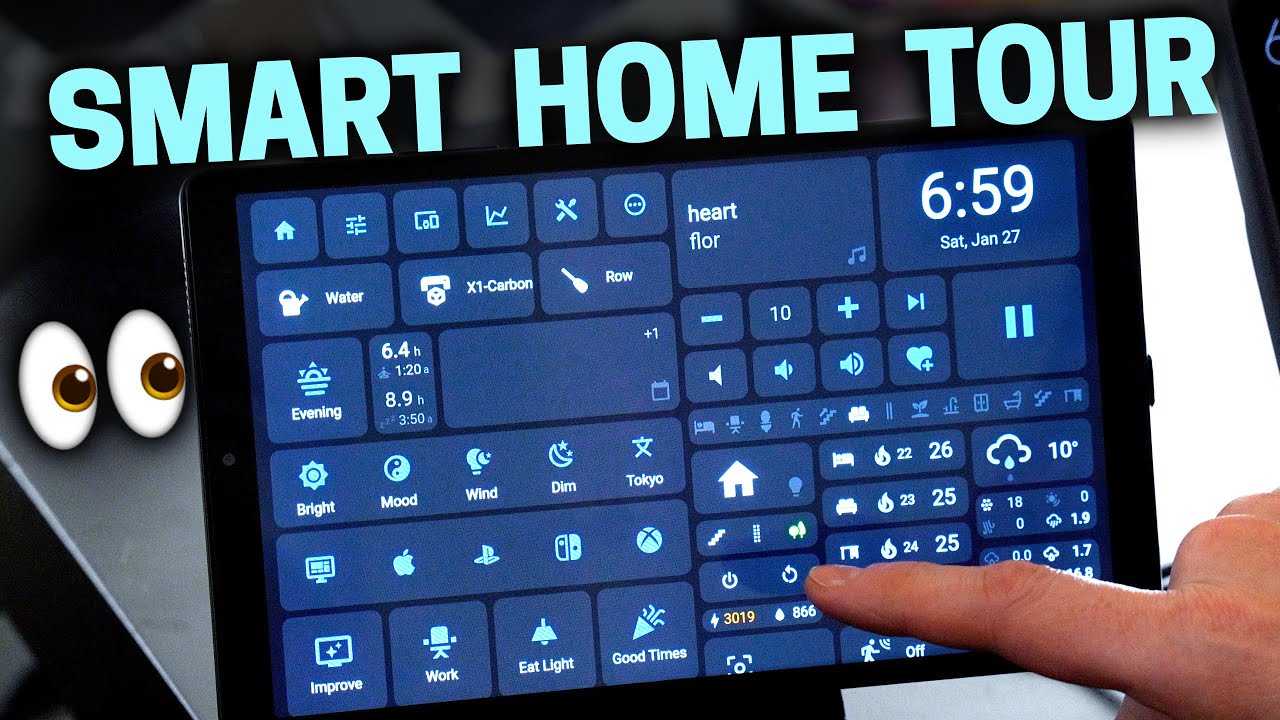
Here’s the deal: modern infotainment systems—like GM’s Ultifi, Ford’s SYNC, or the various systems running Android Automotive—are becoming powerful hubs. They’re not just for music and maps anymore. Through apps, voice assistants, and geofencing, they can trigger a whole pre-set “scene” at your house as you approach.
The Seamless Commute: A Day in the Life
Imagine this. You finish work, get in your car, and say, “Hey Google, I’m heading home.” Your car, knowing your location, automatically pings your smart home. As you drive, the integration kicks in:
- Your thermostat adjusts to your preferred “home” temperature.
- The porch and hallway lights flicker on, especially useful in winter.
- Your smart lock disengages the deadbolt (you still have to open the door, of course).
- And maybe your coffee machine even starts brewing a fresh pot for that second wind.
The reverse works, too. Leaving the house? A “Goodbye” scene triggered from your car can lock doors, arm the security system, and lower the thermostat—all while you’re already pulling out of the driveway. No more that nagging “did I lock the door?” feeling five miles down the road.
The Tech Making It Happen (Without the Jargon)
So how does this talk between car and house actually work? It’s not magic, but it feels like it. The key players are cloud-based platforms and voice assistants. Brands are building bridges. Amazon’s Alexa Auto, for instance, lets you control compatible smart home devices right from your dashboard. Apple’s HomeKit and Siri integration is pushing into cars like newer BMWs. Google’s ecosystem, with Assistant and Android Auto/Android Automotive, is another major highway for this data.
A critical piece is geofencing. This is just a fancy term for a virtual boundary. Your car’s GPS knows when you cross a digital fence set around your home’s location. Crossing that line is the trigger for all those automated actions. Simple, but incredibly effective.
| Common Integration Actions | Vehicle Command/Trigger | Smart Home Response |
| Coming Home | Voice command or geofence | Lights on, thermostat adjusts, garage opens, music plays. |
| Leaving Home | Ignition start or gear shift | Lights off, doors lock, security arms, plugs de-energize. |
| Remote Status Check | Dashboard display query | Shows door lock status, interior temperature, camera feed. |
| Pre-Conditioning | App command from home | Starts car, sets cabin temp, defrosts windows. |
Not Just Convenience: The Safety and Efficiency Angle
This is where it gets really interesting. The integration goes beyond mere comfort. Think about safety. On a dark, rainy night, having your driveway and entryway illuminated before you even park reduces risk. Or, if your smoke or CO alarm goes off at home, an alert could pop up on your car’s screen, giving you critical information before you arrive.
Then there’s efficiency—energy efficiency, that is. By ensuring your home isn’t heating or cooling an empty house until the moment you return, these systems can shave real dollars off your bills. Your car becomes a manager for your home’s energy use, optimizing it based on your real-world location.
The Current Hurdles (Let’s Be Real)
It’s not all perfectly smooth driving yet. The biggest pain point? Fragmentation. We have a battle of the ecosystems: Apple vs. Google vs. Amazon, plus all the individual car and device manufacturers. A device that works flawlessly with Alexa might be a brick in the Apple Home app. And your car’s built-in system might only play nice with one of them.
Then there’s security. Honestly, connecting more devices opens more potential doors—for hackers. Reputable brands use strong encryption, but it’s a consideration. You’re creating a bigger digital footprint. And reliability? A weak cellular signal or a server hiccup can break the chain. That “Hey Google, I’m home” command falling flat feels more frustrating than just flipping a switch yourself.
Where This Road is Headed: The Truly Connected Life
The trajectory is clear: deeper, more predictive, and more contextual integration. Your car won’t just react to a command; it will anticipate. It could notice you’re low on fuel and add a stop to your calendar, or see a calendar appointment across town and suggest leaving early based on live traffic—after first starting your car and setting the climate, of course.
Electric vehicles (EVs) are a natural fit here. Imagine your car communicating with your home’s energy system. It could schedule charging during off-peak hours to save money, or even use its battery to power your home during an outage—a concept called vehicle-to-grid (V2G) that’s inching toward reality.
The end goal is a kind of ambient computing. The technology fades into the background, and what’s left is… ease. A flow to your day where the transitions between spaces—home, car, work—feel less jarring. Less like managing gadgets and more like living in an environment that subtly adapts to you.
So, is your world ready to talk to itself? The pieces are there, waiting to be connected. The journey between places is becoming just as important, just as personalized, as the destinations themselves. And that changes everything.