

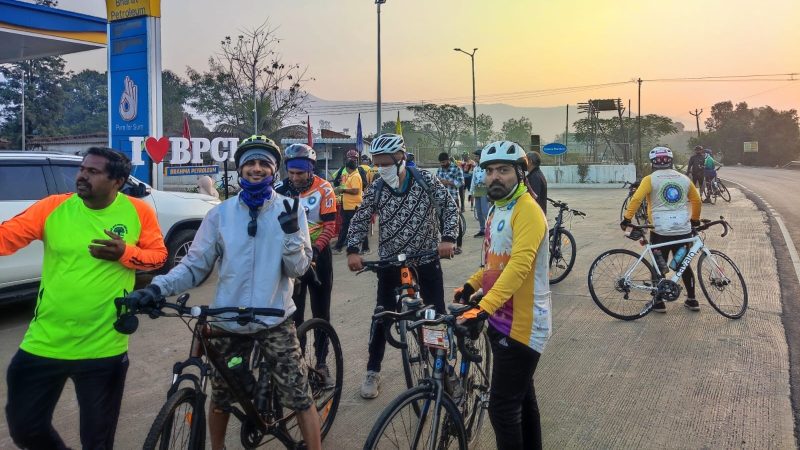

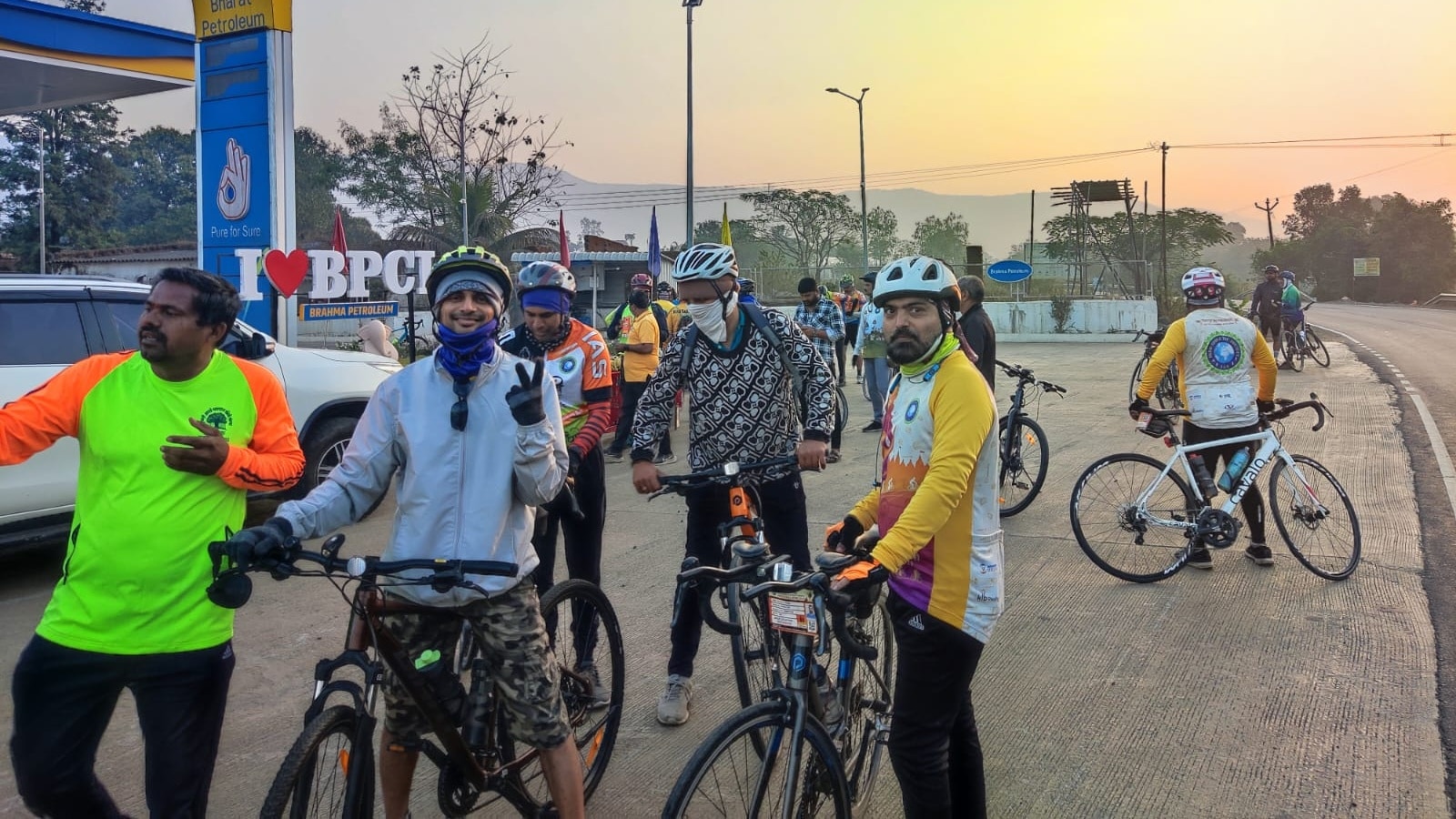
There’s something special about riding a bike. The wind in your face, the rhythm of your legs, that feeling of freedom. But honestly, it’s even better when you’re not doing it alone. A cycling community transforms a solitary activity into a shared experience—a network of support, friendship, and collective power.
And here’s the deal: building that community isn’t just about group rides on sunny Sundays. It’s also about making sure everyone has a safe place to ride. That means weaving together the social fabric of organized events with the crucial work of advocacy. Let’s dive into how you can start, grow, and sustain a local cycling community that thrives on two fronts: connection and change.
The First Pedal Strokes: Starting Local Group Rides
Think of your first group ride as an open invitation. It doesn’t need to be huge. In fact, starting small is better. A handful of riders is a perfect foundation. The goal is consistency and a welcoming vibe, not breaking speed records.
Planning Rides That People Actually Want to Join
You know, a successful ride calendar is like a good menu—it needs variety to cater to different appetites. Here’s a simple framework to consider:
| Ride Type | Pace & Distance | Ideal For |
| Coffee Cruise | Slow, conversational. 10-15 miles. | New riders, families, social butterflies. |
| Weekend Explorer | Moderate. 20-40 miles with regroups. | Building fitness, seeing new routes. |
| Commuter Convoy | Steady, urban. Follows bike lane routes. | Advocating for daily utility cycling. |
| Skill Builder | Mixed pace. Focus on techniques. | Learning paceline, hand signals, flat repair. |
Promote these rides on platforms where people already are. A Facebook group is a classic for a reason. But don’t forget Instagram for visuals and local apps like Meetup. The key is clear communication: start time, location, expected pace, and route (a link to Ride with GPS or Strava is golden).
The Unwritten Rules: Fostering a Welcoming Culture
Culture is everything. It’s the difference between a clique and a community. A few simple practices set the tone:
- No Drop Policy: This is non-negotiable for beginner rides. It means no one gets left behind. Designate a “sweep” rider to stay at the back.
- Pre-Ride Briefing: Huddle up for two minutes. Go over the route, highlight tricky intersections, and introduce yourself. It builds immediate rapport.
- Celebrate the Effort, Not Just the Speed: Shout out the person who just did their first 20-miler. The vibe should feel more like a running club than a pro peloton.
From Peloton to Power: The Natural Shift to Advocacy
So you’ve got a regular group riding together. That’s fantastic. But sooner or later, you’ll hit a pothole the size of a kiddie pool. Or a “sharrow” that disappears into a dangerous intersection. The conversation will turn from “Wow, what a great hill!” to “Can you believe how unsafe this street is?”
That frustration? It’s fuel. Your community is now a ready-made coalition. You’ve moved from shared interest to shared concern. This is where grassroots cycling advocacy begins.
Identifying Your Advocacy Goals
Start hyper-local. Think about the routes your group actually uses. What’s the one infrastructure change that would make the biggest difference? It might be:
- A protected bike lane on a key connector street.
- Better maintenance of existing paths (clearing debris, fixing lights).
- A traffic calming measure near a popular park or school.
- More secure bike parking at a local business district.
Practical Advocacy: Actions That Make a Real Dent
Advocacy can feel daunting, but it’s really just organized persuasion. Break it down into steps.
1. Document and Data Collect: Use your group rides as a survey tool. Encourage everyone to note hazardous spots. Take photos. Log near-misses. This isn’t just anecdotal—it’s collective data that proves a pattern of danger.
2. Show Up (Together): There’s immense power in a unified presence. Have a few members attend a city council or transportation committee meeting. Wear your group jerseys or matching shirts. You’re not just a lone cyclist; you’re a visible bloc.
3. Partner & Amplify: You don’t have to reinvent the wheel. Connect with statewide or national bike advocacy organizations. They often have toolkits, legal resources, and can help amplify your local issue. Partner with local running groups, pedestrian advocates, or disability rights groups—safe streets are a common cause.
Weaving It All Together: Rides That Advocate
The most powerful communities blend the social and the political seamlessly. Your ride schedule itself can be a form of advocacy.
Consider organizing a “Showcase Ride” along a proposed bike lane route. Invite local elected officials to join—on a bike, in a pedicab, whatever they’re comfortable with. Let them experience the space firsthand.
Or, host a “Bike Bus” for a local school. It’s a rolling, supervised group that picks up kids along a set route, making active transportation safe and fun. It’s a living, breathing demonstration of demand for safer neighborhood streets. Honestly, it’s hard to argue against the sight of a dozen happy kids biking to school.
And remember maintenance. A “Trail Clean-Up & Ride” day builds stewardship. You’re not just demanding better—you’re contributing to it. That goodwill is priceless.
The Long Ride: Sustaining Your Community
Burnout is real, for organizers and advocates alike. Don’t let the mission overshadow the joy. Delegate roles. Celebrate wins, no matter how small—a new rack installed, a pothole filled. Share those victories in your group chats.
Keep the rides fun, above all. The community is built on the shared smile at the end of a climb, the post-ride coffee chat. The advocacy grows from the trust built during those miles.
In the end, building a cycling community is about believing that streets aren’t just for cars—they’re for people. It starts with a simple “Hey, let’s ride together this Saturday,” and it can grow into a force that reshapes the map of your town. You’re not just filling a calendar with events. You’re knitting a network of allies, one pedal stroke at a time, all moving toward a safer, more connected horizon.