



Let’s be honest. Scrolling through social media, you’d think car camping requires a rooftop tent, a portable fridge, and a solar array that could power a small village. It’s easy to get overwhelmed. But here’s the deal: the best adventures often come from the simplest setups. A minimalist car camping kit isn’t about deprivation. It’s about freedom—less time packing and unpacking, less stuff to manage, and more mental space to actually enjoy the view.
This guide is about building a functional, clutter-free system. One that gets you out the door faster and lets you focus on the stars, not the storage bins.
The Core Philosophy: Less Stuff, More Experience
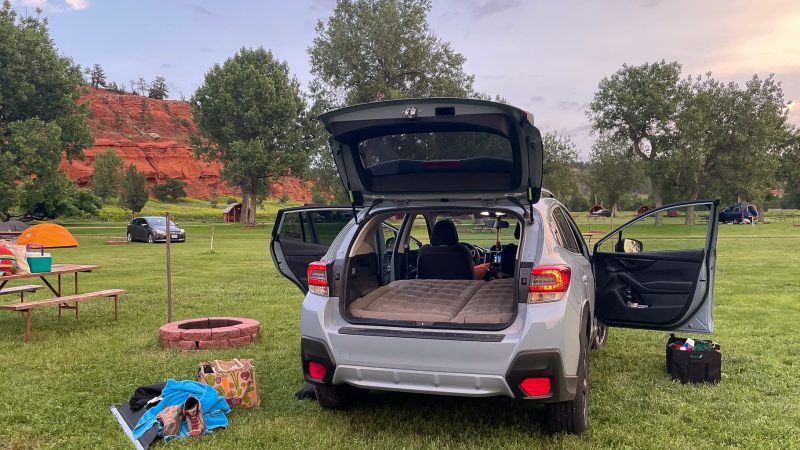
Minimalist car camping, at its heart, is a mindset shift. You’re not trying to recreate your bedroom in the back of your Subaru. You’re aiming for comfort and utility with the fewest items possible. Think of it like a streamlined backpacking trip, but with the glorious luxury of your car as a basecamp.
The goal? Every item should have a clear purpose, and ideally, more than one. A good puffy jacket is a camp coat, a pillow (stuff it in a stuff sack!), and extra insulation for your sleeping bag if a cold snap hits. That bandana? It’s a towel, a pot holder, a napkin, and a dust mask for a dry trail. You get the idea.
The Foundational Layer: Sleep System & Shelter
Nothing ruins a trip faster than a terrible night’s sleep. Your sleep system is where you should invest thought—not necessarily tons of money, but smart planning. This is the non-negotiable foundation.
1. The Platform: Your Car’s Layout
First, know your vehicle. Can the seats fold completely flat? Do you need a slight incline? Measuring your cargo space is step zero. For most sedans and small SUVs, a simple, custom-cut foam pad or a foldable mattress topper can work wonders. For taller vehicles, consider a low-profile platform bed. It creates storage underneath for bins, which is a total game-changer for organization.
2. The Mattress & Bedding
Air pads are popular, but they can be noisy and prone to leaks. A closed-cell foam pad is cheap, durable, and never deflates. Pair it with a 3-season sleeping bag or, even better for car camping, a quilt and a set of linen sheets. It feels more like home and is easier to wash. Honestly, it’s a small luxury that makes a huge difference.
The Practical Heart: Kitchen & Food
You don’t need a chuckwagon. A minimalist camp kitchen fits in a single plastic tote or a dedicated bag.
| Category | Minimalist Picks | Why It Works |
| Stove | Single-burner backpacking stove (like a Jetboil or PocketRocket) | Tiny, reliable, boils water fast. Uses fuel canisters available anywhere. |
| Cookware | One 1.5L pot with a lid | Boil water, cook pasta, heat soup. The lid doubles as a plate or frying pan. |
| Utensils | One spork, one good knife, one collapsible mug | You only have one mouth. The mug is for coffee, soup, and your evening beverage. |
| Cleanup | Small scrubby, biodegradable soap, small towel | Keep it simple. A little hot water and a scrub does the trick. |
Meal planning is key. Pre-make and freeze meals in bags at home (chili, curries). They act as extra ice in your cooler and just need reheating. Or embrace one-pot wonders—dehydrated meals, instant rice with packets of tuna, ramen upgraded with a fried egg. The less cleanup, the better.
Mastering Organization & Storage
Chaos is the enemy of minimalism. A place for everything is your mantra. Use a modular system:
- The Sleep Bin: Sheets, pillow, sleep clothes. This gets pulled out first at camp.
- The Kitchen Tote: Everything food-related except the cooler. Stove, fuel, utensils, spices, cleanup kit.
- The “Utility” Bag: Headlamp, multi-tool, duct tape, paracord, first-aid kit, batteries, lighter. The fix-it bag.
Use the space under your platform or seats for these bins. Keep a small “day bag” accessible with water, snacks, and a jacket for hikes. The goal is to avoid the dreaded “car dig”—that frantic excavation for a single item buried under everything.
What You Can (Probably) Leave Behind
This is where people get tripped up. We pack for “what-ifs” that never happen. Be ruthless.
You likely don’t need: a massive lantern (a headlamp and a string of fairy lights are lighter and cozier), a full set of plates and bowls, excessive clothing (wear layers, re-wear items), specialized gadgets (a regular knife beats a tactical knife), or a giant water jug (collapsible containers are space-savers).
Every trip, you’ll learn. You’ll realize you never touched that extra pair of shoes or that fancy camp shower. Leave it next time. Your trunk will thank you.
The Invisible Essentials
Minimalism isn’t just about gear. It’s about mindset and preparedness. Always have a paper map, know the weather and fire regulations, and practice Leave No Trace principles. A simple setup makes it easier to leave your site pristine. In fact, that’s maybe the best part—less impact on the places we love.
And one more thing: a comfortable camp chair. After a long day, having a dedicated spot to sit that isn’t a log or your bed is… well, it’s the one non-minimalist item most minimalists secretly agree on. Call it a functional luxury.
Embracing the Empty Space
So, what’s left when you strip it all back? Honestly, more room—both in your car and in your head. A minimalist car camping setup removes friction. It turns a complex production into a simple, repeatable escape. You spend less time managing your stuff and more time watching the light fade over a canyon, or listening to the rain patter on your roof.
The real function of this setup isn’t just to provide shelter and a warm meal. It’s to provide a clear path back to why you went out there in the first place. And that’s a piece of gear you can’t buy, but you can definitely pack.