



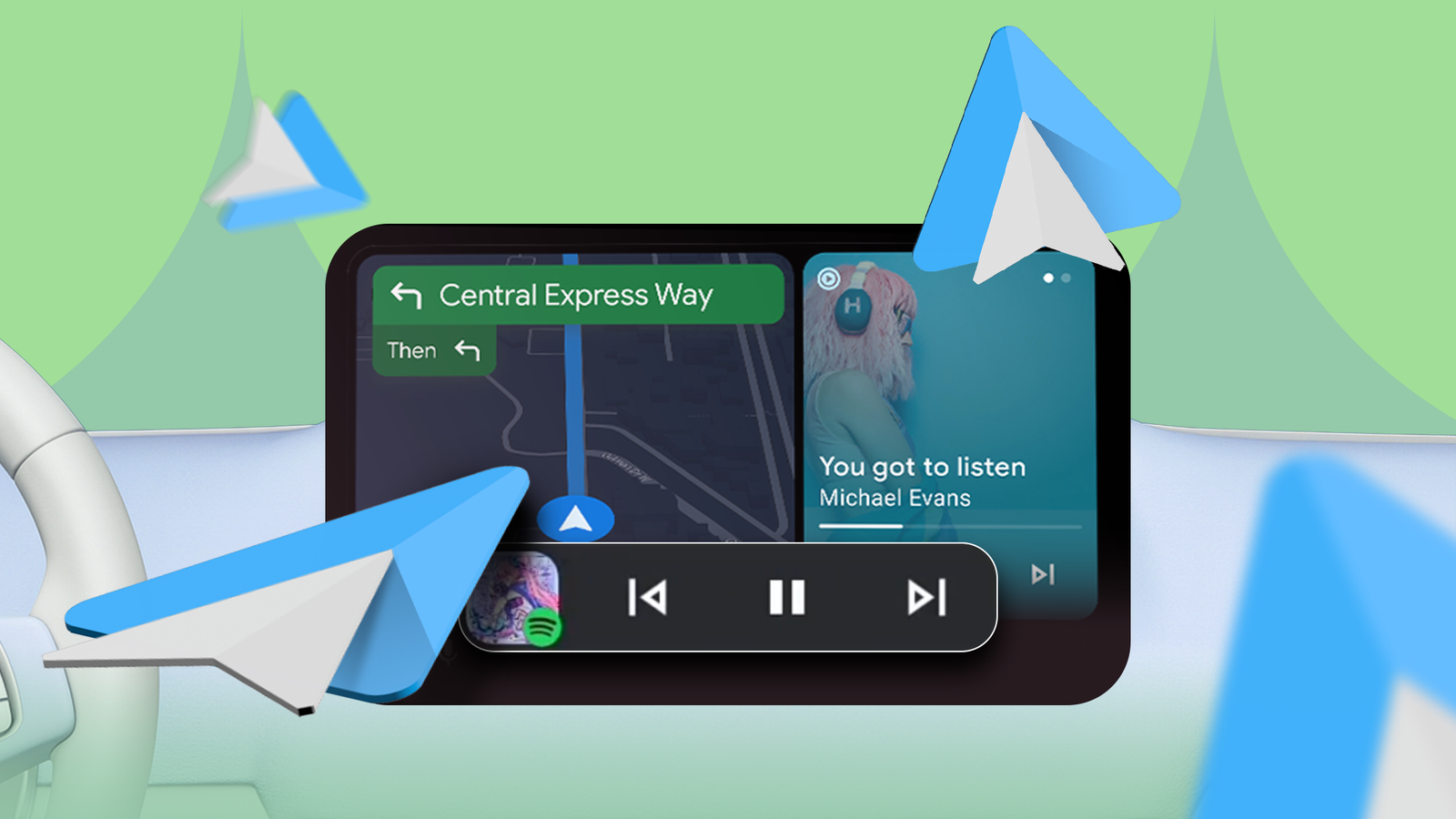
Imagine this. It’s a cold, rainy evening. You’re ten minutes from home, tired from the day. With a simple voice command to your car—or maybe just because your car’s GPS knows your ETA—your house springs to life. The driveway lights flicker on. The thermostat nudges up to a cozy temperature. The smart lock disengages. By the time you pull into the garage, the living room is warm, a lamp is on, and your favorite playlist is just starting to drift from the kitchen speaker.
This isn’t a scene from a distant sci-fi movie. It’s the very real, and honestly, incredibly convenient reality of integrating smart home devices with vehicle automation systems. Your car is becoming another node in your personal Internet of Things (IoT) network. And the synergy? Well, it’s changing how we think about leaving and arriving.
Beyond the Garage Door: The Real Connection
Sure, a Wi-Fi garage door opener was the first big hint. But the integration today goes so much deeper. It’s about creating a seamless context-aware environment. Your car’s location, its battery status, even your calendar appointments become triggers for actions at home. And vice-versa.
Think of your car and your home not as two separate, dumb boxes, but as two actors in a play. They need to share cues and scripts to perform in harmony. That sharing is powered by cloud platforms, APIs, and digital assistants like Google Assistant, Amazon Alexa, and Apple’s Siri acting as the directors.
Everyday Magic: Use Cases That Actually Matter
Let’s move past the hype and look at practical applications. The pain points this solves are surprisingly… ordinary. And that’s the beauty.
- Geofenced Arrival & Departure Scenes: This is the big one. Your phone or car’s location acts as a geofence. Cross that invisible boundary, and pre-set “scenes” execute. Leaving for work? The system can ensure all lights are off, doors are locked, and the thermostat sets to an energy-saving mode. Coming home? The reverse happens.
- EV & Home Energy Management: For electric vehicle owners, this is a game-changer. Your car can tell your house when it’s plugged in and schedule charging during off-peak electricity hours to save money. Some advanced systems can even integrate with home solar panels, prioritizing clean energy for your battery.
- Preconditioning Perfection: On a scorching summer day, you can command your car to cool its cabin five minutes before you leave the office—without draining the battery while parked. This command can originate from your smart home dashboard or voice assistant.
- Logistics and Security: A delivery driver at your door? Your smart doorbell camera feed could pop up on your car’s infotainment screen while you’re parked. Or, if your home security alarm goes off, you could get a detailed alert with camera snapshots directly in your vehicle’s console.
The Nuts, Bolts, and Hiccups of Integration
So, how do you make this happen? The path isn’t always perfectly smooth—it’s a bit of a tech puzzle. Here’s the deal.
Most integrations rely on a common platform. If your smart home runs on Google Nest and your car has built-in Google Automotive Services, you’re in luck. Same for Alexa with certain automakers. Apple users with a HomeKit home and a newer CarPlay vehicle might find some neat handoffs. The ecosystem you choose is, frankly, the most critical decision.
For cars and devices that don’t natively talk, bridge services like IFTTT (If This Then That) or Zapier can be lifesavers. They create custom “applets” or “zaps.” For example: “IF my car’s location is within 1 mile of home, THEN turn on my Philips Hue porch light.” It’s a bit more DIY, but powerful.
| Integration Method | How It Works | Best For |
| Native Platform (Google/Alexa/Apple) | Devices and car share the same ecosystem. Commands and automations are built-in and relatively simple. | Users committed to one brand ecosystem; those wanting a “set it and forget it” experience. |
| Bridge Services (IFTTT, etc.) | Connects disparate apps and devices via custom conditional rules you create. | Tinkerers, those with mixed-brand devices, or anyone needing highly specific, unique automations. |
| Vehicle-Specific Apps (MyQ, Tesla, etc.) | Automaker or device-maker apps that offer limited, direct control (e.g., just garage door, just charging). | Solving one specific problem without needing a whole-home automation setup. |
The Stumbling Blocks No One Talks About
It’s not all seamless magic. Sometimes the conversation between your car and house gets garbled. Latency is a thing—a light might turn on 30 seconds after you arrive, which feels… odd. Battery drain on your phone from constant location polling can be an issue. And let’s be honest, setting these automations up requires patience and a decent comfort level with tech.
The biggest hurdle, though? Fragmentation. With so many brands, protocols (Zigbee, Z-Wave, Thread, Matter), and proprietary software, creating a universally connected experience is still a challenge. The emerging Matter standard promises to help by giving devices a common language, but vehicle integration into that standard is still in its early days.
The Road Ahead: Where This Is All Going
This is just the opening chapter. As vehicles become more connected—truly connected, with 5G and constant data streams—the integrations will become more predictive and less reactive.
Your car could analyze traffic and adjust your home’s “welcome scene” timing automatically. It could see your fuel or battery level is low and, with your permission, add a stop to your preferred gas station to your calendar, which then notifies your family you’ll be 10 minutes late. Biometric data from your car seat or steering wheel could even signal your home to create a more calming environment if it senses you’re stressed after a long commute.
The line between “vehicle” and “smart device” is not just blurring—it’s evaporating. Your car is becoming a mobile smart room, and your home is becoming a stationary hub that anticipates the mobile one.
In the end, the goal of this whole tangled web of technology is beautifully simple: to remove tiny friction points from our daily lives. To give us back a few minutes, a bit of mental space, and a sense of effortless control. It’s about your spaces working for you, silently in the background, so you can focus on everything else. The journey is just getting started, and honestly, the destination looks remarkably… comfortable.